For event organizers, QR codes simplify everything from ticket verification to real-time attendee data collection. Fast, accurate scanning replaces manual guest lists and reduces entry bottlenecks—especially at large conferences and expos where thousands of people may arrive within a short period.
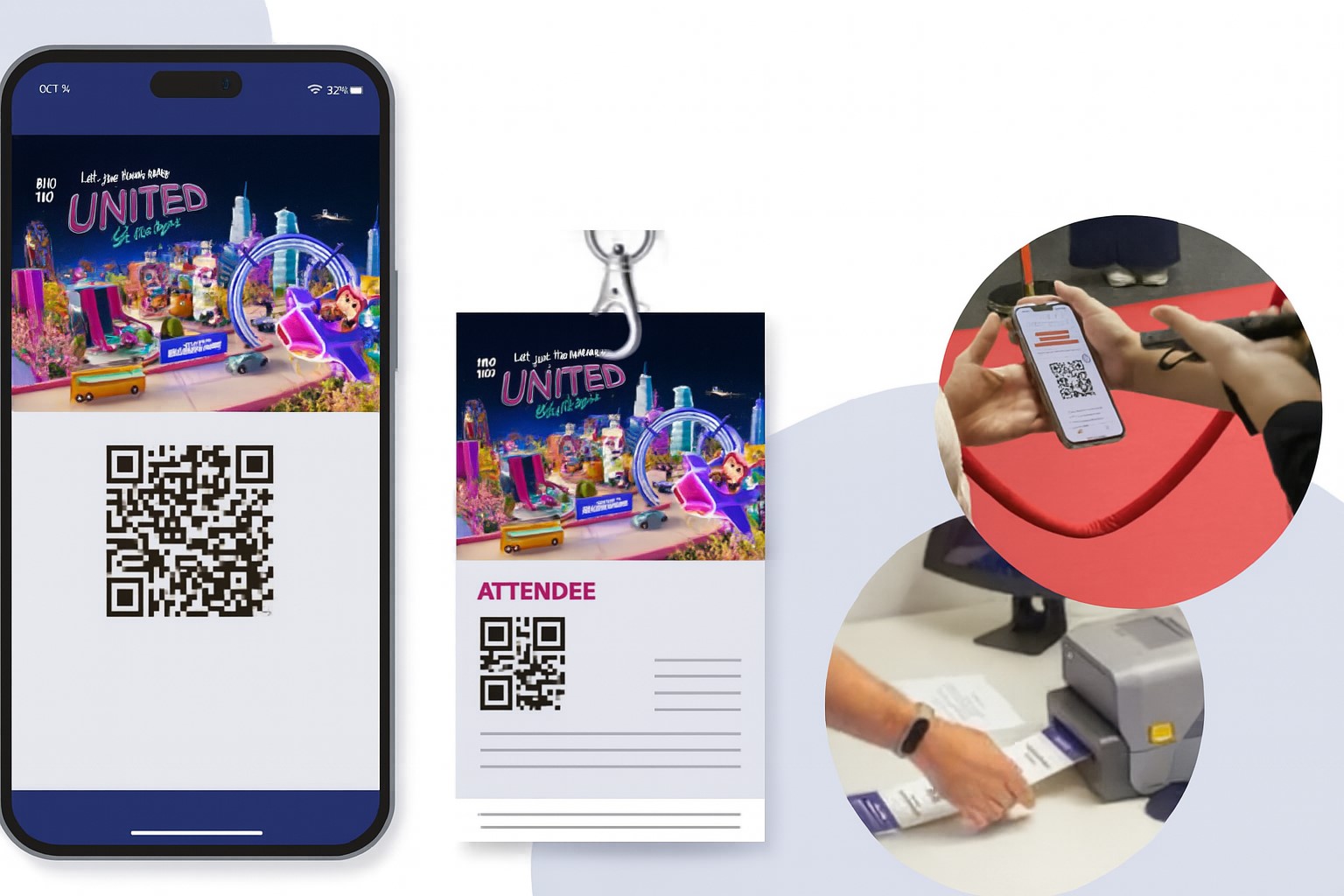
A QR code can also serve as a digital record for each attendee. Rather than issuing stacks of paper tickets or sending invitations manually, organizers can share codes through Zalo, SMS, email, or an app. This reduces errors, presents a more professional experience, and lowers printing and logistics costs.
How event companies use QR codes for check-in and ticket sales
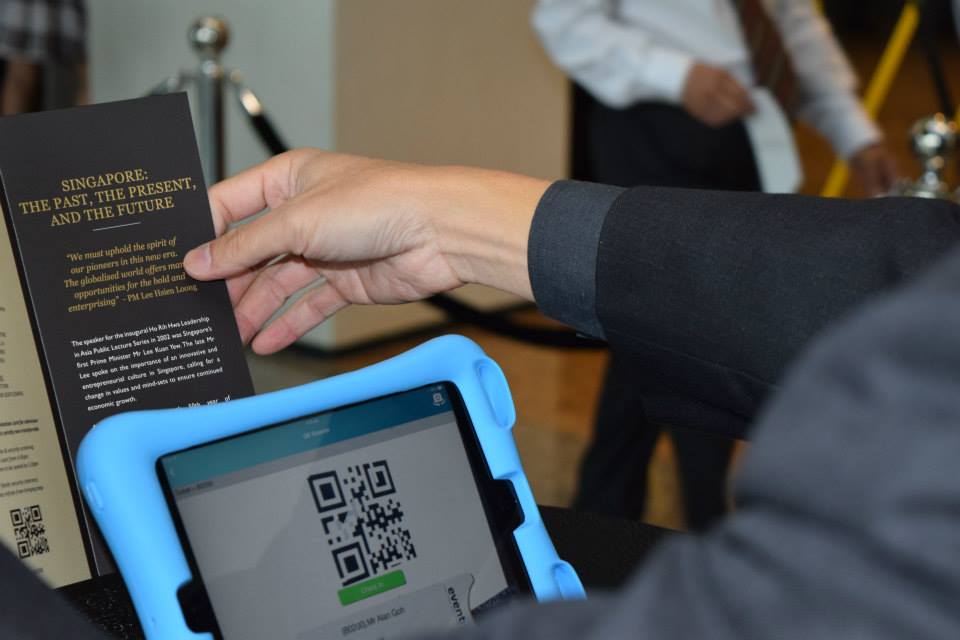
QR code check-in is now standard at many events. When guests arrive, they show the code on their phone to a camera or scanner. The system immediately verifies their details and updates their status to “checked in” on the management platform.
For ticket sales, QR codes support a fully automated flow. After an online payment is completed, the system sends the corresponding QR code by email or through the app. This speeds up ticket delivery and helps organizers track sales by time slot, ticket type, such as VIP or Standard, and individual marketing campaigns.
Event companies can also segment guests at check-in with color-coded or attribute-based QR codes. This helps direct people to the appropriate areas while creating a more personalized, professional experience.
Creating more engaging event experiences
QR codes do more than manage access. They can also create interactive experiences throughout an event. Attendees can scan codes at each booth to:
- Join mini-games, encouraging them to spend more time at the event.
- Receive vouchers or gifts, increasing attendee satisfaction.
- Rate booths or seminar content, providing valuable real-time insights.
Codes can also direct attendees to event microsites with videos, detailed product information, or e-commerce links. The interaction can continue after the event, supporting an effective customer-nurturing journey.
Tracking and analyzing event data
One of the key advantages of QR codes is measurability. Each scan can be recorded, including the time, location, and device used. When area-specific codes are deployed, organizers can also track attendee movement throughout the event space.
This data helps event organizers analyze:
- Which booths attracted the most attention.
- When the event reached peak attendance.
- How many attendees revisited the website after the event.
These insights support internal reporting and provide future sponsors with concrete data on ROI, engagement, and the effectiveness of each touchpoint.
Best practices for using QR codes at events
To get the most from QR codes, event companies should consider several practical factors:
- Make codes easy to scan: Print them clearly and at an adequate size, avoid glare, and place them where attendees can reach them easily.
- Match the destination to the context: Each code should lead to relevant content, such as a survey, reward, or introduction. Avoid excessive repetition to keep the experience engaging.
- Keep load times fast: Attendees are unlikely to wait if content takes more than three seconds to load after scanning.
- Protect personal data: When collecting personal information through QR codes, organizers must clearly state how that data will be stored and used.
How qrcode-gen helps event companies succeed
With qrcode-gen, event companies can create batches of dynamic QR codes and update their content even after printing. This is particularly useful for multi-day events where schedules may change or notifications need to be shared immediately.
qrcode-gen also offers:
- Real-time tracking of scan counts.
- Options to create a custom QR design, including logos and background colors.
- Tracking-code integration to monitor the performance of advertising and email marketing campaigns.
More than a QR code generator, qrcode-gen can be part of a marketing automation system, integrating with CRM platforms to help businesses manage post-event data, re-engage customers, and nurture relationships more effectively.